
Seasons in Australia change has become more than simply understanding when to pack a swimsuit or a jacket, but how to contend with the complex geography of the two-climate models, indigenous calendars, and shifting weather systems in Australia. Seasons in Australia reverse seasons of the Northern Hemisphere, where summer seasons occur between December and February, followed by winter that happens between June and August. Knowing about seasons in Australia is important to individuals, residents, and food connoisseurs to take perfect actions in line with weather, events, and other factors such as fruits that are in season.
Whether you are planning a move under a skilled visa or a month-long road trip, this guide by BJay Education & Visa Services provides a 2026-verified breakdown of the Seasons in Australia calendar, climate zones, and local insights.
What Season is it in Australia?
Seasons in Australia follows the Southern Hemisphere. As compared to how seasons take place in the Northern Hemisphere, Australia typically tends to follow the Southern Hemisphere seasons. Where in the Northern Hemisphere’s season arrangement where the seasons begin on the 21st of every month, the Southern Hemisphere is different as the seasons begin on the 1st of every month.
Seasons in Australia consists of 3 months of each season. Seasons in Australia is categorized into four major seasons: summer lasts from December to February; autumn from March to May; winter from June to August, and spring from September to November. Seasons in Australia that is currently peaking is the summer season as of January 5th, 2026. According to the Bureau of Meteorology (BoM), there are normal hot and dry conditions in most of the southern states due to the ENSO conditions of 2026.
Seasons by Month in Australia - Australian seasons calendar 2026
Pinpointing seasons in Australia by months starts with the Australian seasons calendar 2026. Here’s the breakdown, verified against astronomical data from reliable calendars:
| Month | Key Dates (2026) | Avg. Temps (Sydney) | Season |
|---|---|---|---|
| January | Peak heat | 26-32°C | Summer Season |
| February | Ends Feb (pre-autumn) | 25-30°C | Summer Season |
| March | Starts Mar 20 | 22-28°C | Autumn Season |
| April | Cooling trend | 19-25°C | Autumn Season |
| May | Mild days | 16-22°C | Autumn Season |
| June | Starts Jun 21 | 13-19°C | Winter Season |
| July | Coldest month | 12-18°C | Winter Season |
| August | Ends Sep 23 | 13-20°C | Winter Season |
| September | Starts Sep 23 | 16-23°C | Spring Season |
| October | Warming up | 19-26°C | Spring Season |
| November | Ends Dec 22 | 21-28°C | Spring Season |
| December | Starts Dec 22 | 25-30°C | Summer Season |
This date given below corresponds to the astrological signs for 2026 as well as the signs given by the BOM. The timings for planting and harvesting are determined by the seasons in Australia.
Detailed Breakdown on Seasonal Months in Australia
To understand what are the 4 seasons in Australia? you must take into consideration at how the continent is divided into. While the south follows the European model, the north operates on a tropical cycle.
- Summer (December – February)
The month ranging from December to February is considered as the hottest 3 Months in Australian weather region. With the inland temperatures above 40°C, January is officially considered as the warmest month in Australia where the heat is peaked.
- Autumn (March – May)
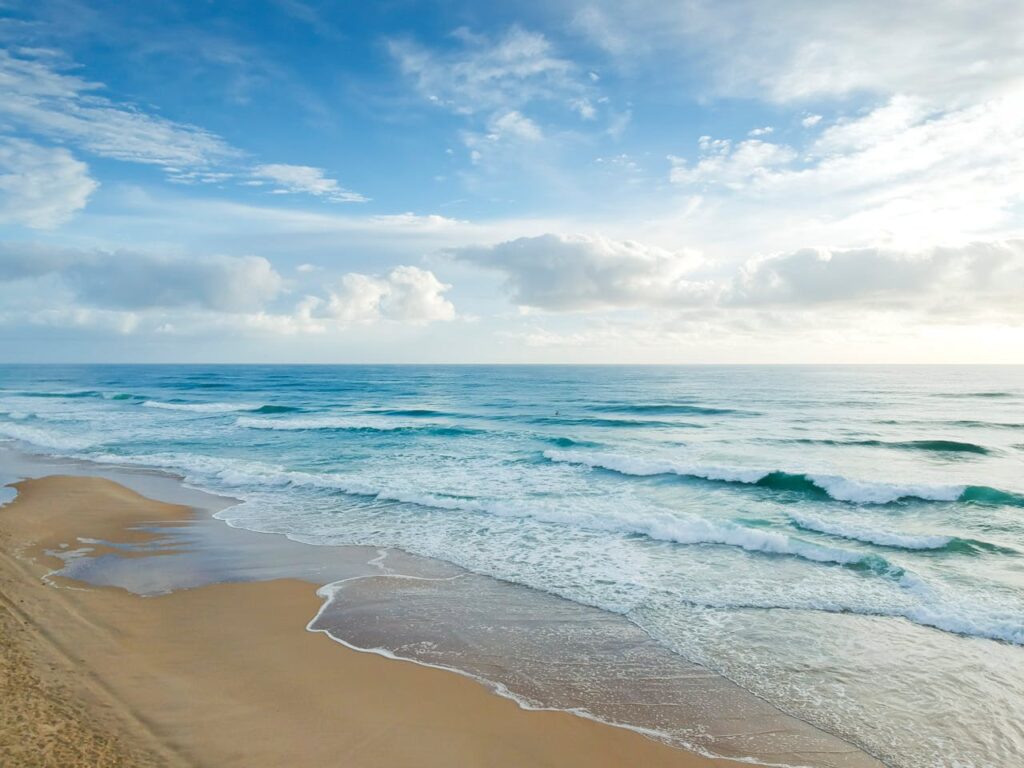
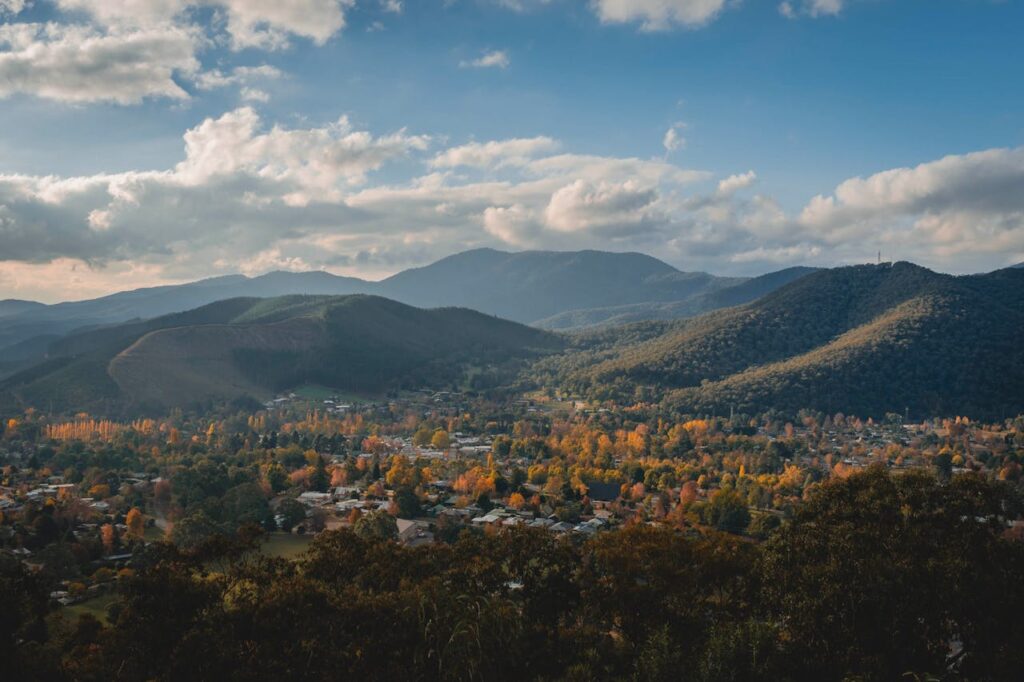
The Autumn season is often considered as the best season to visit Australia (specially the month of April is considered as) as Autumn offers a relieve from the summer heat.
- Winter (June – August)
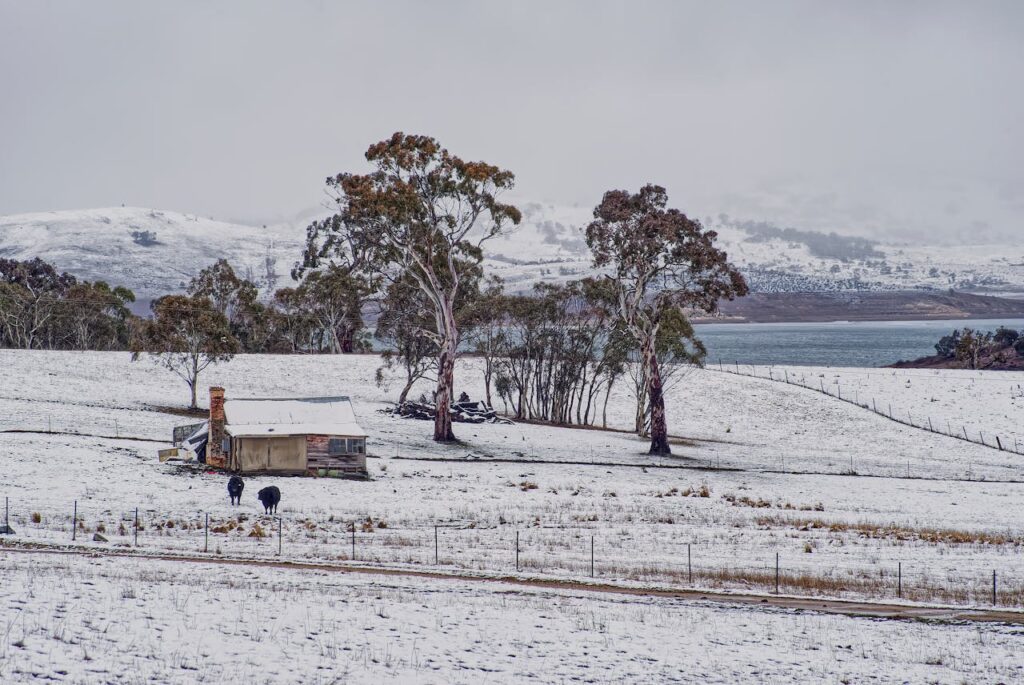
The winter season which is typically ranging from the June to August month, is regarded as coldest time of year in Australia. July is the month that has the lowest average temperature in Australia and can have the coldest time of year.
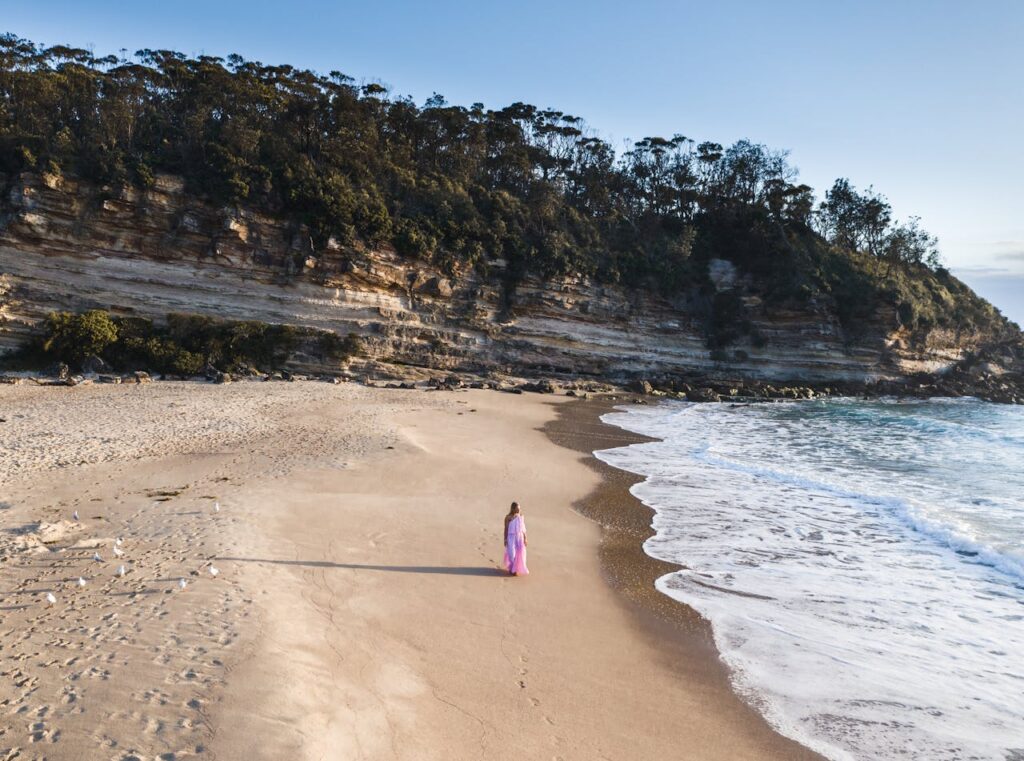
- Spring (September – November): The spring seasons in Australia which ranges from the month of September to November. This season is referred to as the “shoulder season” as this season is considered to be the best for walking in the Uluru-Kata Tjuta region before the scorching summer heat hits.
Indigenous Seasons in Australia
First Nations perspectives on Australia’s climate are one of the most genuine. For instance, the Noongar people in South-West Washington identify six seasons in Australia based on environmental indicators rather than dates.
- Birak (Dec-Jan): The first summer; dry and hot.
- Bunuru (Feb-Mar): Second summer; the hottest time of year.
- Djeran (Apr-May): Cool weather begins.
- Makuru (Jun-Jul): The coldest and wettest season.
- Djilba (Aug-Sep): The season of conception; mixture of wet and clear days.
- Kambarang (Oct-Nov): The wildflower season; birth of new life.
Source: Data provided by the CSIRO Indigenous Seasonal Calendars project (2026 Review).
Fruits in seasons in Australia
Enjoying food according to the pace of the land is a lifestyle in Australia that aids in the enjoyment of seasonal fruits that taste well, offer healthy calories with a cheaper price tag. Australia’s environment is characterized by varying climatic conditions that ensure the availability of fruits throughout the year. Eating seasonal fruits helps the farmer’s purse, minimizes the carbon footprint of the fruit, or the fuel miles of the fruit, and helps the body according to its needs.
| Season | Months | Best Fruits in season |
|---|---|---|
| Summer season | Dec – Feb | Peaches, Nectarines, Cherries, Mangoes, Lychees, Watermelon. |
| Autumn season | Mar – May | Figs, Grapes, Kiwifruit, Apples, Pears, Persimmons. |
| Winter season | Jun – Aug | Lemons, Mandarins, Navel Oranges, Custard Apples, Grapefruit. |
| Spring season | Sep – Nov | Pineapples, Papaya, Strawberries, Blueberries, Bananas. |
Australia Regional Climate Comparison
Australia’s geography and the cities have a large climatic difference, where each city experiences their own climate phases like heatwaves, monsoonal rains, and freezes. An appreciation of “Regional Climate Comparison” is required to understand the differences between various like the tropical north, the temperate south, and the arid “Red Centre.” The data below strives to provide the differences among large Australian cities for January (Peak Summer) and July (Peak Winter).
Seasons in Australia Event Calendar
| Month | Season | 2026 Notable Events |
|---|---|---|
| January | Summer Season | Australian Open (Tennis), Sydney Festival |
| February | Summer Season | Adelaide Fringe (starts mid-Feb), Perth Festival |
| March | Autumn Season | AFL Season Start, Formula 1 Grand Prix |
| April | Autumn Season | Sydney Royal Easter Show (Apr 3–14, 2026) |
| May | Autumn Season | Vivid Sydney (starts May 22, 2026) |
| June | Winter Season | Dark Mofo (Hobart), Ski Season Opening |
| July | Winter Season | Christmas in July celebrations, Peak Skiing |
| August | Winter Season | Hamilton Island Race Week, Wildflower start |
| September | Spring Season | AFL & NRL Grand Finals, Floriade (Canberra) |
| October | Spring Season | Melbourne Cup Carnival, Sculpture by the Sea |
| November | Spring Season | Black Friday Sales, Cricket Season Start |
| December | Summer Season | Sydney to Hobart Yacht Race, Boxing Day |
Planning Around Seasons in Australia 2026
If you are planning to Visit Australia, this guide seeks to provide you with all the different season and the seasonal changes in Australia that can help you navigate through travelling in Australia with ease. The understanding of Australian climate is important as the country has two distinct climate models, unique Indigenous perspectives, and a vast geographical spread.
| Travel Priority | Optimal Months | Prime Destinations |
|---|---|---|
| Beach & Coastal Life | Dec – Feb | Sydney, Perth, Gold Coast, Bondi |
| Outback & Red Centre | June – Aug | Uluru, Alice Springs, Darwin |
| Wildlife Encounters | Sept – Nov | East Coast, Kangaroo Island, Ningaloo |
| Maximum Value | May & Nov | Melbourne, Adelaide, Brisbane |
| Great Barrier Reef | June – Oct | Cairns, Whitsundays, Port Douglas |
| Winter Sports | July – Aug | Mt Buller (VIC), Perisher (NSW) |
Aligning Your 2026 Move with Seasons in Australia
The year 2026 sees your migration path as being dependent not only on the visa criteria being satisfied but also on a thorough comprehension of Australia’s seasonal cycles and their interaction with the job market, housing availability and the new immigration policy changes. With the Australian government focusing on job-ready migrants and settlement in the regions, your timing of arrival can be the most important factor in your successful settlement.

- The “Golden Window” for Job Seekers (Summer – February/March)
January is the height of the Summer Season, but it is still a period of low activity in the recruitment industry traditionally due to long school holidays. Still, February and March of 2026 are very important months. As companies completely go back to pre-pandemic operation, the need for skilled labor in vital areas like healthcare, construction, and hospitality gets very high. This “post-holiday” surge in demand is the best time for securing local contracts and fulfilling early-year intake requirements for those on a Skills in Demand (SID) Visa or looking for employer sponsorship.
- Housing and Rental Strategy (Autumn – April/May)
Looking for accommodation is a major problem with new arrivals coming. Indicative of the statistics from the 2025–2026 records, the autumn season, i.e., from March to May, shows tendency being more balanced with tenants. Unlike the high competition “peak summer” months (December to February) when student intakes and holiday travelers saturate the market, Autumn sees stabilized rental prices and higher availability. Planning your move for late April or May allows you to secure long-term housing before the winter cold hits the southern states like Victoria and Tasmania.
- Regional Advantage and Processing Timelines (Spring – September/November)
For migrants targeting Regional Visas (Subclass 491), the Spring Season is culturally and strategically vital. State nomination quotas for the 2025–26 cycle are typically fully operational by September, and regional centers—from the wine regions of South Australia to the wildflower-filled hubs of Western Australia—are in peak activity. Lodging your EOI (Expression of Interest) in the spring allows you to avoid the end-of-year holiday backlog that often delays visa processing in December.
FAQ on Seasons in Australia

The 4 seasons that Australia has is a division of four main seasons. The distinction is done where first season being summer which lasts from December to February, the second being autumn from March to May, the third one winter from June to August, and the last one spring from September to November.
Currently as we are writing this article, its January 6,2026 and according to the seasons in Australia it is currently summer season. It has already reached its peak as January usually experience the peak heat in Australia.
The hottest 3 months in the year long season of summer in Australia is stated from the starting of December to the end of February. The month of the year, January has the highest temperatures of the year with a maximum monthly temperature of 36 degrees Celsius.
The best months to visit Australia are said to be October (Spring) and April (Autumn), according to the many professional guides in Australia and locals that are residing in Australia. These specific months are considered as the shoulder months in Australia which often has the weather of clear sky in both the tropical north and the temperate south, moderate temperatures throughout the continent, and cheaper travel than the summer peak.
July is regarded as the coldest month in Australia, with maximum daytime temperatures in the southern cities such as Melbourne and Hobart being very low, usually only about 14°C, while the particular areas in the snow-capped Alps of New South Wales and Victoria are at their coldest and the most snowed for the month.
Australian typically summer lasts from the start of December to the end of February, with three months and January being the time of the peak heat of summer.
The first day of spring in Australia is September 1 and the last day is November 30. There will be “baby” wildlife sightings, the beginning of Western Australia’s wildflower season, and a sharp rise in UV intensity during this period of dramatic change. Before the intense summer heat arrives, it is frequently regarded as the ideal time for hiking and outdoor festivals.

The beginning of 2026 sees the Australian migration and travel industry putting its attention on regional diversity to a greater extent than ever before. Whether you are looking for the hottest summer sun in Perth or the most picturesque autumn leaves in Melbourne, Australia has a way of offering a distinct experience for every season.
We here at BJay Education & Migration, understand that migrating to a brand-new country involves various factors more than just a visa; it’s all about finding the right environment for you. We are currently offering a completely free, non-obligatory consultation to help you map out your 2026 pathway so you can experience the best of Australia without the stress.